
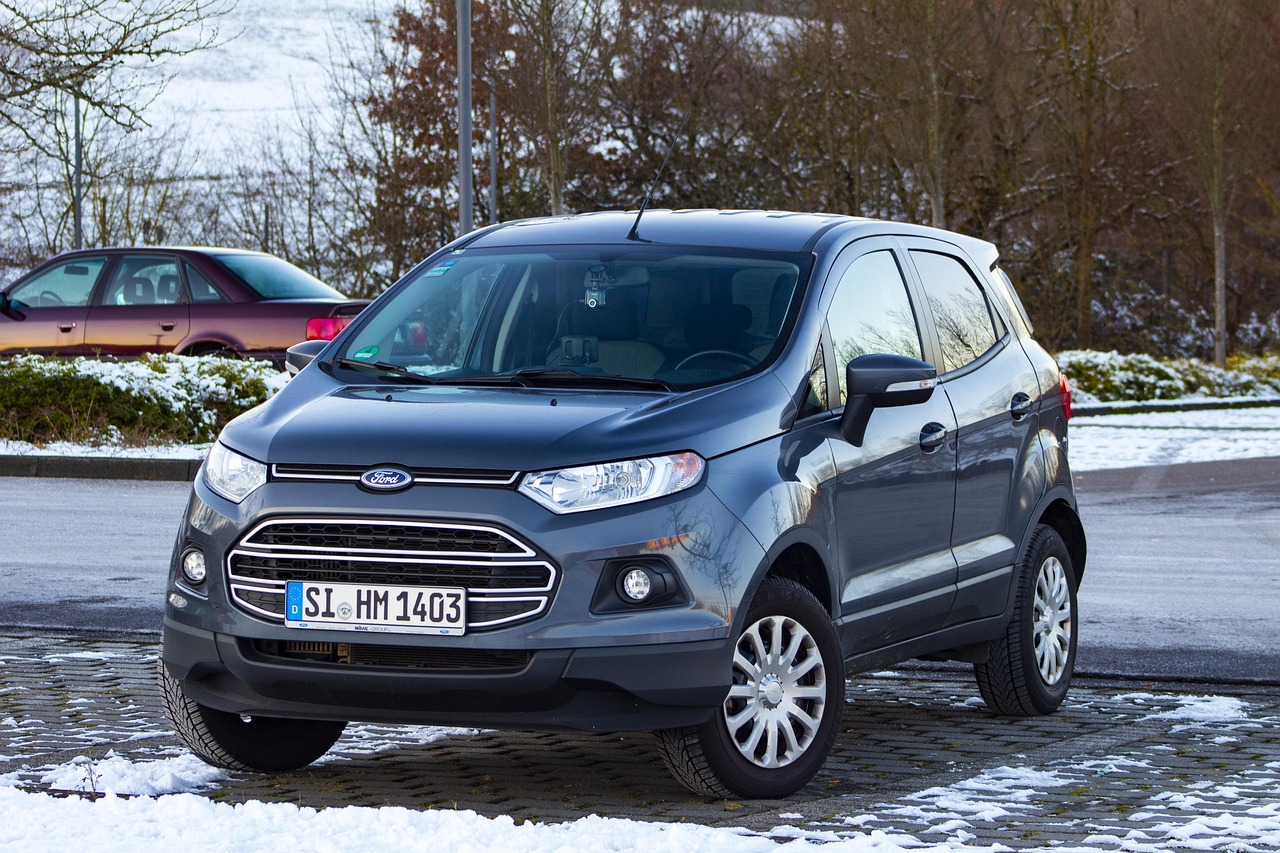
SUVs have dominated American roads for more than two decades. They’re spacious, comfortable, and versatile — but they’re also larger, heavier, and often more expensive to own. As we move deeper into 2025, many drivers are asking the same question: is an SUV still worth buying today?
Between rising gas prices, new electric options, and shifting family needs, the answer depends on what you value most in a vehicle. Below, we’ll break down what makes SUVs appealing, where they fall short, and how to decide if one still fits your lifestyle in 2025.
1. Why SUVs Are Still Popular
SUVs continue to lead U.S. sales because they offer something smaller cars can’t — space, comfort, and confidence. The higher driving position gives you a better view of the road, and modern designs now blend the toughness of a truck with the comfort of a sedan.
Most new SUVs also come with features that were once considered luxury-only: all-wheel drive, heated seats, large touchscreens, and advanced driver-assist systems. Whether you’re a parent needing room for kids and strollers or a traveler who loves weekend road trips, SUVs still deliver unmatched versatility.
2. The Drawbacks You Should Consider
Of course, SUVs aren’t perfect — and in 2025, their disadvantages are more visible than ever.
The biggest one is fuel efficiency. Even with better engines and hybrid options, most gas-powered SUVs still consume more fuel than sedans or crossovers. That adds up over time, especially if gas prices rise again.
They’re also more expensive to buy, insure, and maintain. Tires, brakes, and oil changes cost more because of the vehicle’s size and weight. Parking can be tougher, too, particularly in crowded urban areas.
If your daily routine doesn’t actually require the extra space or power, you might find yourself paying more for convenience you rarely use.
3. The Rise of Hybrid and Electric SUVs
The good news is that 2025 brings more hybrid and electric SUVs than ever before — and they’re quickly closing the gap between size and efficiency.
Brands like Toyota, Hyundai, Tesla, and Ford have focused heavily on hybrid and all-electric SUV lineups. These models offer smoother rides, fewer emissions, and lower long-term running costs. Many even qualify for federal tax credits, depending on where they’re built.
If you like the practicality of an SUV but don’t want to feel guilty at the pump, a hybrid or EV SUV could be the ideal middle ground.
4. Who Should (and Shouldn’t) Buy an SUV
An SUV still makes sense in 2025 if you:
- Regularly travel with family, pets, or gear.
- Live in an area with harsh weather where AWD helps.
- Need towing power or long-haul comfort.
- Value safety and height over compact maneuverability.
But if you mostly drive short city commutes, care more about fuel economy, or don’t need heavy cargo space, a compact crossover, hatchback, or hybrid sedan will likely serve you better — and save you money over time.
5. Resale Value and Long-Term Outlook
SUVs continue to hold their value fairly well, especially popular models from Toyota, Honda, and Subaru. Used-car data in 2025 shows compact and midsize SUVs still command strong resale prices thanks to ongoing demand and family appeal.
That said, purely gas-powered models may depreciate faster in the years ahead as more drivers transition to electric or hybrid vehicles. Choosing a fuel-efficient or electrified version is a smart hedge against that trend.
Final Thoughts
Buying an SUV in 2025 is less about following a trend and more about matching your lifestyle. If you truly need the space, comfort, and confidence that SUVs offer, they remain one of the most versatile vehicle choices on the market.
But if your main priority is saving money, cutting emissions, or navigating tight city streets, there are now better alternatives — especially with the rise of compact hybrids and electric vehicles.
In short: SUVs are still worth buying in 2025 — just make sure you’re buying one for the right reasons.
