
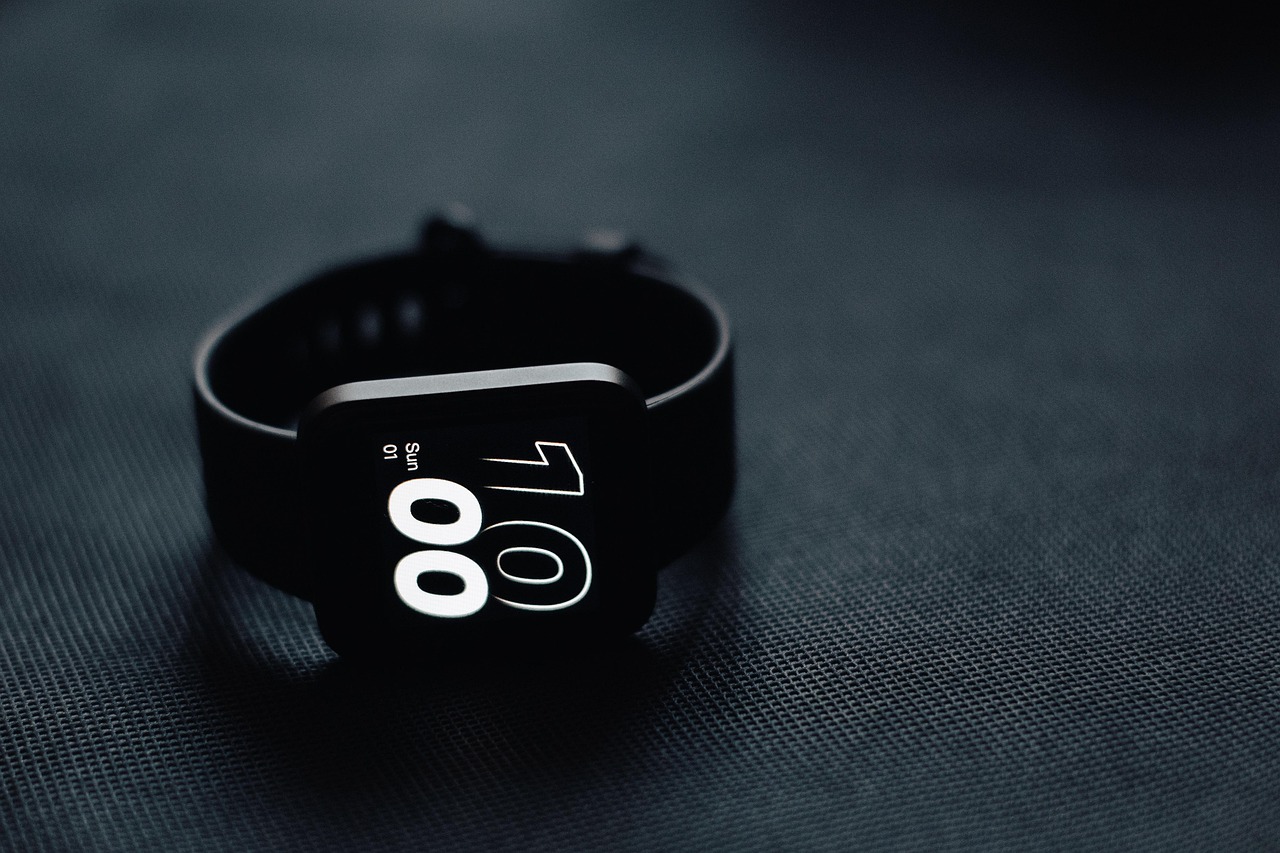
Ten years ago, wearable devices were seen as fitness accessories. Today, they’ve become personal companions — tracking our health, helping us stay organized, and quietly blending into daily life.
From watches that monitor stress levels to rings that track sleep and hydration, smart wearables have evolved beyond counting steps. In 2025, they’re part of a growing ecosystem that connects your body, your phone, and your surroundings in ways that feel almost invisible.
Below, we’ll explore how wearable technology is reshaping how we live, work, and take care of ourselves.
1. Health Monitoring Has Gone Preventive
Wearables used to tell you what happened — now they warn you before it does.
Today’s devices can monitor heart rate irregularities, oxygen levels, and early signs of fatigue or illness. Some even use AI to analyze patterns over time, alerting users to potential health issues days before symptoms appear.
For many people, these devices act like a mini health assistant — collecting data that helps doctors make faster, more personalized recommendations.
In short: Health tracking is moving from reaction to prevention.
2. Sleep Tracking Is Finally Accurate
Sleep has become the new frontier in wellness, and wearables are leading the way.
Modern devices measure heart rate variability, body temperature, and movement to map every sleep stage with surprising accuracy. They not only show how long you slept but how well.
Paired with smart home systems, they can adjust lighting, temperature, or sound to improve sleep quality — turning bedtime into a science-backed routine instead of a guessing game.
The result: Better rest, sharper focus, and more balanced days.
3. Productivity Meets Personalization
Wearables are now helping people stay organized and mindful, not just active. Smartwatches and AR glasses integrate calendars, reminders, and voice commands that keep users productive without staring at screens.
Some devices even detect stress through skin temperature or heart rate changes, suggesting breathing exercises or quick breaks. It’s technology that looks out for you — not just your schedule.
Takeaway: Productivity in 2025 is about balance, not burnout.
4. Style Meets Function
Gone are the days of bulky trackers and flashing screens. Modern wearables are designed like fashion pieces — sleek, minimal, and customizable.
From luxury brands collaborating with tech companies to discreet smart jewelry that tracks wellness data, wearables have become both stylish and functional. The goal isn’t to show off technology — it’s to make it feel natural.
People now choose wearables that express identity as much as functionality, blending tech with self-expression.
5. Privacy and Data Awareness Take Center Stage
As wearables collect more personal data, privacy has become a top priority. Consumers are more aware than ever of how their information is stored and shared.
Tech companies are responding with stronger encryption, transparent settings, and “local data” options that keep sensitive health metrics on the device instead of the cloud.
The new rule: Trust is just as important as innovation. Users expect technology to respect their boundaries as much as it enhances their lives.
Final Thoughts
Wearable technology has moved far beyond fitness — it’s now part of how we manage health, productivity, and even identity. The most impressive devices of 2025 aren’t the ones with the most sensors, but the ones that quietly improve daily life.
They remind us to rest, breathe, and stay connected — not just to technology, but to ourselves.
In short: Wearables are no longer gadgets; they’re gentle guides — helping us live smarter, calmer, and more aware.
