
For nearly two decades, the smartphone has been the center of our digital lives — camera, wallet, map, and workspace all in one device. But in 2025, the smartphone is quietly evolving into something more: a personal hub that connects your entire digital world.
It’s not just about faster chips or brighter screens anymore. Modern smartphones are designed to blend into your lifestyle — anticipating what you need, learning your habits, and linking seamlessly with every other device you own.
Below, we’ll explore how smartphones are changing and what that means for the way we live, communicate, and experience technology.
1. From Device to Digital Companion
Smartphones are becoming less about manual control and more about intelligent assistance. With built-in AI that understands context and behavior, your phone can now summarize long texts, plan schedules, and even handle routine tasks on its own.
For example, your phone might automatically suggest when to leave for a meeting, draft a quick message based on your tone, or recommend when to take a break. These features aren’t about replacing thought — they’re about saving time for what matters.
In short: The smartphone is no longer just a tool; it’s becoming a digital companion.
2. Cameras That See More Than You Do
Smartphone cameras have reached a point where they rival professional gear — but in 2025, it’s not about megapixels, it’s about intelligence.
AI-powered sensors adjust automatically for lighting, composition, and even emotion recognition in portraits. Night photography looks natural, zoom is lossless, and video stabilization feels cinematic.
The biggest shift? Cameras now double as scanners, translators, and even health analyzers — reading nutrition labels, scanning documents, and detecting skin irregularities in real time.
3. Foldable and Modular Design Takes Hold
After years of refinement, foldable phones have gone from novelty to normal. Sleeker, lighter, and more durable, they give users the best of both worlds: tablet-sized productivity in a pocket-sized frame.
Modular designs are also gaining attention. Some brands now offer magnetic attachments — like lenses, gaming controllers, or extended batteries — turning the phone into a flexible workstation or creative studio.
Result: The smartphone is no longer one fixed object — it’s a customizable experience.
4. Sustainability Becomes a Selling Point
Environmental awareness has finally reached the tech world. In 2025, many smartphone makers prioritize recyclable materials, longer software support, and energy-efficient production.
Users are holding on to their phones longer — not just because of cost, but because they can. Replaceable parts, trade-in programs, and circular recycling systems are becoming standard.
Sustainability isn’t just a marketing message anymore; it’s a design philosophy shaping how future devices are built.
5. The Ecosystem Around the Phone
The smartphone is no longer the only smart device — but it remains the center of them all.
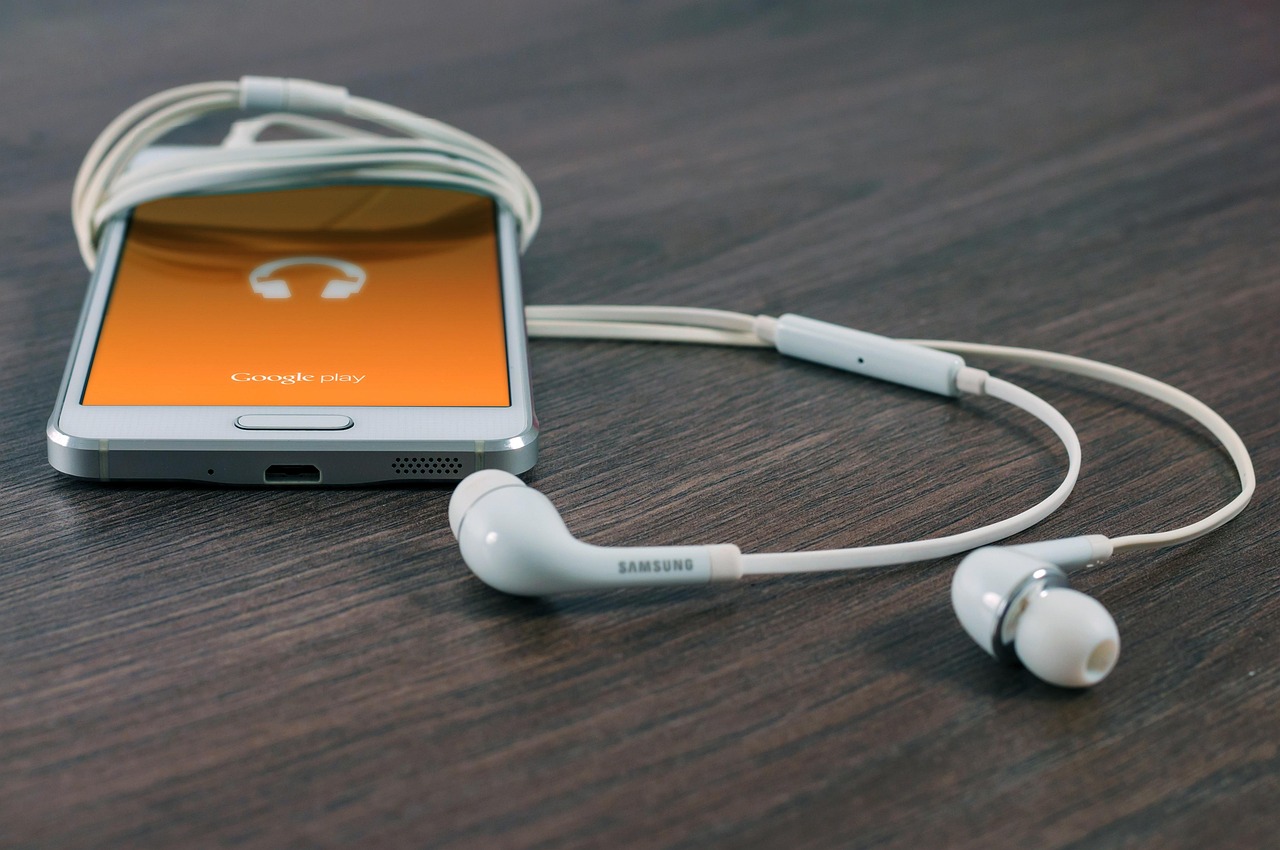
It connects seamlessly with watches, earbuds, cars, and home systems, acting as a universal remote for modern life. From unlocking doors to starting cars or paying bills, one tap or voice command now does what once required multiple gadgets.
This integration turns your phone into the control hub for your digital ecosystem — one that’s becoming increasingly intuitive, invisible, and personal.
Final Thoughts
In 2025, smartphones are evolving beyond screens and specs. They’re becoming adaptive, sustainable, and deeply connected to every part of life.
They know your habits, anticipate your needs, and communicate with every device around you — quietly keeping your world in sync.
In short: The smartphone is no longer the star of the show — it’s the stage where all your technology comes together.
